
Many dog walkers start their businesses because they love working with dogs and want more freedom.
What often comes as a surprise is just how much everything else there is to manage: emails, bookings, payments, systems, tech, client journeys, marketing and the constant feeling of needing to stay on top of it all.
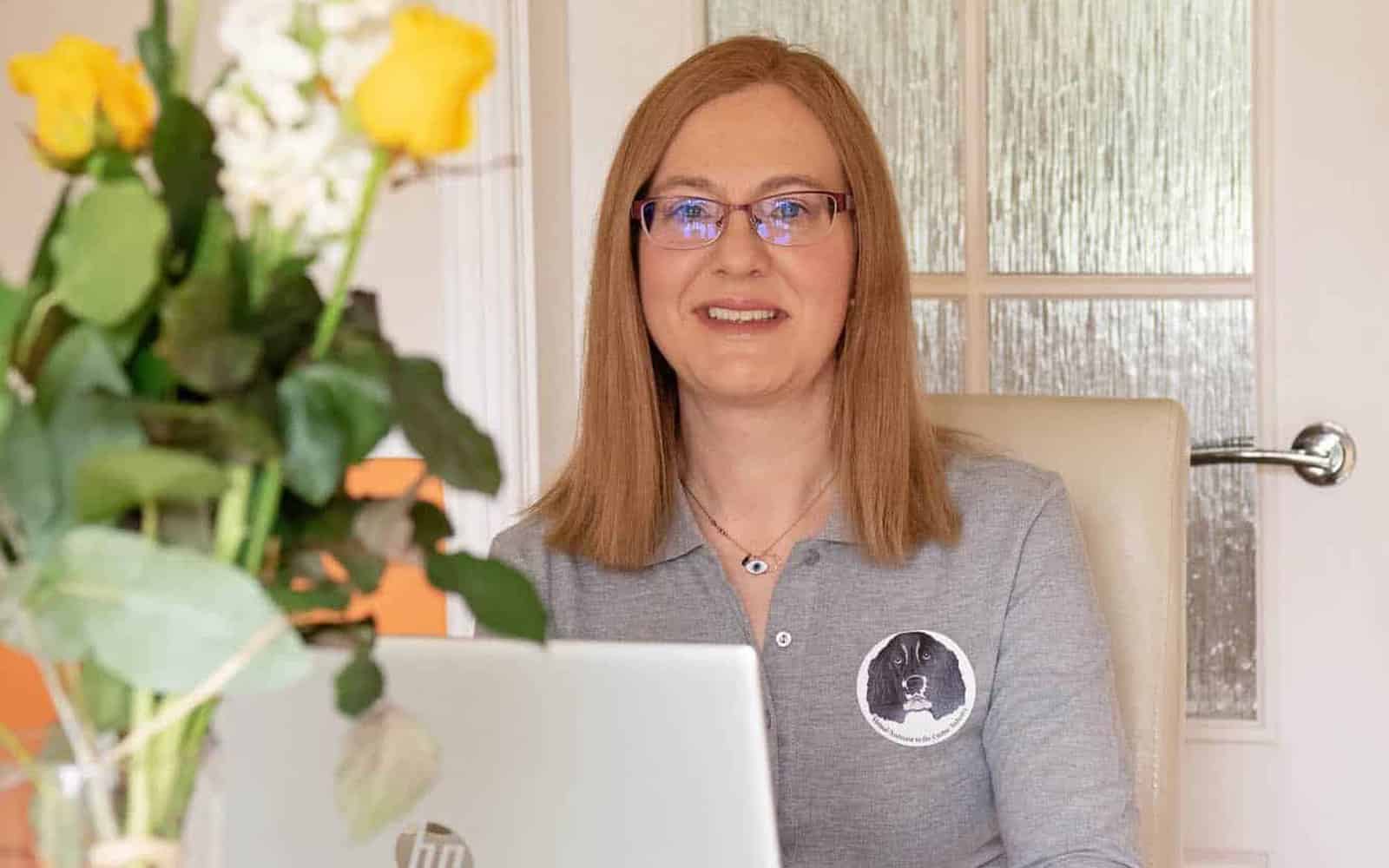
In a recent episode of The Pet Business Wellbeing Podcast, I spoke with Fiona Pedley from The Canine VA about outsourcing, boundaries and why getting support in your business isn’t a weakness – it’s a smart, sustainable decision .
This blog pulls out the key lessons from that conversation and applies them specifically to dog walking businesses.
Why Dog Walkers Struggle to Let Go
Dog walkers are often:
- highly responsible
- used to being in control
- emotionally invested in their work
- juggling long days and physical fatigue
Add to that the belief of “I should be able to do this myself” and it’s no wonder many dog walkers end up overwhelmed or resentful – even when the business looks successful from the outside.
One of the biggest themes in my conversation with Fiona was this:
Letting go isn’t a weakness – it’s a strategic business decision.
What a VA Actually Does (and Why It Matters)
A Virtual Assistant (VA) isn’t “just admin”.
For many pet professionals, including dog walkers, a VA can:
- manage email newsletters and automations
- tidy up client journeys and systems
- deal with failed payments or memberships
- support tech setup (without weekend meltdowns)
- act as a calm, experienced sounding board
Fiona described herself as “the person quietly keeping everything running in the background” – so business owners can focus on the work only they can do.
For dog walkers, that might mean:
- spending energy on clients and dogs
- protecting physical health and recovery time
- having actual time off without guilt
Boundaries Are a Business Skill (Not a Luxury)
Another powerful takeaway from the episode was the role of boundaries.
Fiona shared how she:
- doesn’t work weekends
- doesn’t respond to messages outside working hours
- sets expectations clearly from the start
And here’s the important bit – clients respect that.
Dog walkers often worry that boundaries will upset clients or make them look unprofessional. In reality, clear boundaries usually lead to:
- better client relationships
- fewer last-minute demands
- more trust and respect
Boundaries protect your wellbeing and your business.
Outsourcing as an Investment, Not a Cost
A common barrier for dog walkers is seeing outsourcing as an “expense”.
But as Fiona explained, outsourcing is better viewed as an investment:
- an investment in your time
- an investment in your energy
- an investment in your long-term sustainability
If you’re spending evenings or weekends wrestling with tech, emails or systems you hate – that’s a cost too. It just doesn’t show up neatly on a spreadsheet.
Common Tasks Dog Walkers Outsource First
From my own experience and Fiona’s work with pet professionals – the first things dog walkers often hand over include:
- email newsletters
- booking or enquiry systems
- automations and tech setup
- admin tasks they’ve been avoiding for months
Many start with as little as one hour a week and build from there.
You don’t have to outsource everything. You just have to start where it helps most.
A Final Thought for Dog Walkers
You don’t have to earn rest by burning yourself out first.
Support, delegation and boundaries aren’t signs that you’re failing – they’re signs that your business is growing up.
If you want your dog walking business to last, you have to be able to last in it too.
Free Support for Dog Walkers
If you’re reflecting on your workload and want something practical to guide you:
🐾 5 Steps to a Successful Dog Walking Business
A free checklist to help you simplify, structure and steady your business – without overwhelm.
🧡 Pet Pro Rescue Plan
A free wellbeing guide to help you plan time off without guilt, panic or chaos.
🐾 Fiona’s website: The Canine VA
