
If you work with dogs long enough, especially rescue dogs there’s a good chance you’ve felt it.
That quiet emotional exhaustion.
The constant pull to help just one more dog.
The guilt that creeps in when you even think about stepping back.
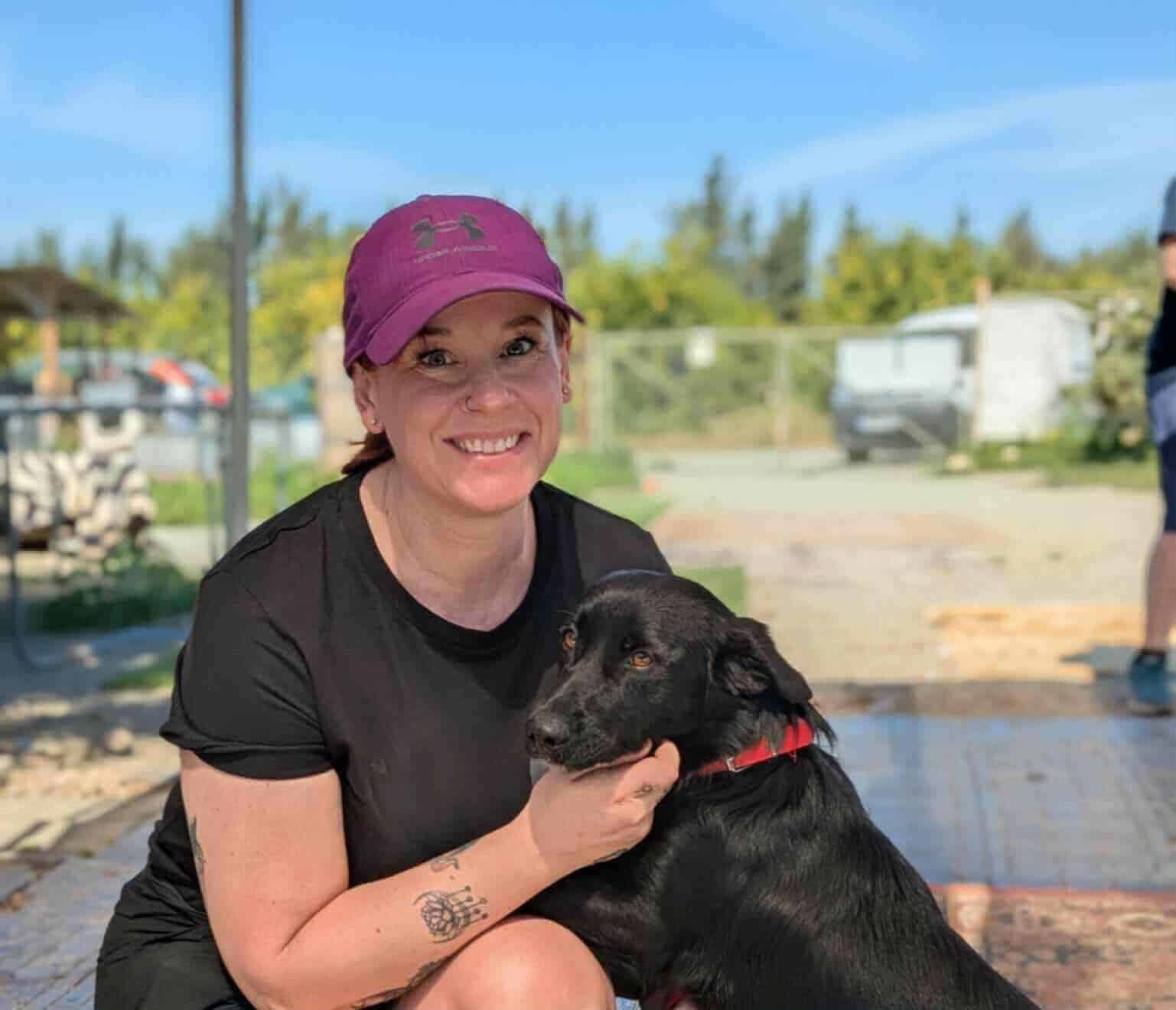
This is known as compassion fatigue and it’s something many dog walkers, trainers and rescue-linked pet professionals experience often without realising there’s a name for it. In this episode of The Pet Business Wellbeing Podcast, I’m joined by Samantha Wayland, a dog trainer specialising in rescue and overseas rescue dogs, to talk honestly about compassion fatigue, boundaries and the emotional toll of caring deeply in this industry.
What Is Compassion Fatigue?
Compassion fatigue is emotional and physical exhaustion that comes from supporting others over long periods of time whether that’s people, animals, or both.
In the rescue world, it can look like:
- feeling responsible for every dog’s outcome
- struggling to switch off from messages and updates
- carrying the trauma stories of dogs you’ve never even met
- feeling guilty for saying no, or even thinking about it
As Sam explains in the episode, compassion fatigue isn’t about being “too sensitive”.
It’s a natural response to caring deeply, for a long time, without enough support.
Why Rescue-Linked Work Hits So Hard
While compassion fatigue can affect all pet professionals, Sam highlights why it’s especially common in rescue work.
Rescue-linked dog walkers and trainers are often:
- supporting traumatised dogs
- holding space for overwhelmed adopters and fosterers
- navigating complex rescue politics and pressure
- exposed to distressing stories and images online
Add social media into the mix – constant pleas, graphic posts and public judgement and it’s easy to see how emotional capacity slowly drains away.
Overseas Rescue Dogs & Hidden Trauma
Sam also shares insight into working with overseas rescue dogs, including dogs from Romania and Cyprus and how different rescue contexts can lead to different trauma patterns.
For example:
- Romanian dogs may show deep fear of humans or men due to dog catchers and kill shelters
- Cypriot dogs may struggle more with abandonment and separation anxiety
For dog walkers and trainers supporting these dogs, this emotional weight doesn’t stop at the end of the working day it often follows you home.
“I Should Be Able to Help More” – The Guilt Trap
One of the strongest themes in this conversation is guilt.
The belief that:
- saying no means letting a dog down
- stepping back means you’re not doing enough
- someone else will suffer if you don’t step in
Sam speaks openly about how long it took her to begin setting boundaries and how difficult that process can be when you genuinely care.
But as we both reflect in the episode:
👉 You can’t help anyone well if you’re running on empty.
The Role of Boundaries (and Why They’re Not Selfish)
Boundaries come up again and again, because they matter.
That might look like:
- limiting out-of-hours messages
- stepping back from certain Facebook groups
- sharing the load with other professionals
- having evenings where your phone is off or face-down
Boundaries don’t mean you care less.
They mean you’re protecting your ability to keep going.
A Gentle First Step If This Resonates
If you’re reading this and quietly thinking, “This feels uncomfortably familiar”, Sam offers some gentle starting points:
- one phone-free evening a week
- listening to something non-dog related
- a short walk without dogs or devices
- meditation or breath work
- doing one small thing that’s just for you
You don’t need to fix everything at once.
You just need to start creating space.
Why This Matters for Dog Walkers
Many dog walkers:
- support rescue dogs on walks
- work closely with fosterers and adopters
- absorb emotional stories alongside physical work
- struggle with boundaries because they care
Compassion fatigue doesn’t mean you’re weak.
It means you’re human and doing emotionally demanding work.
Support If You’re Feeling Stretched
If this blog resonates, you might find these free resources helpful:
🧡 The Pet Pro Rescue Plan
A free wellbeing guide to help pet professionals take time off without guilt or panic.
🐾 5 Steps to a Successful Dog Walking Business
A practical checklist to help steady your business and reduce pressure.
🐾 Sam’s website: Samantha Wayland Dog Training
A Final Thought
You are not meant to carry everything alone.
Caring deeply is a strength, but only when it’s supported by boundaries, rest and compassion for yourself too.
