
If you’ve ever thought:
- Who am I to be doing this?
- Everyone else seems more confident than me.
- One day someone’s going to realise I don’t know enough…
You’re not alone.
In fact, if you’re an ethical, caring dog walker or pet professional, there’s a strong chance you’ve experienced imposter syndrome – even if you didn’t have a name for it.
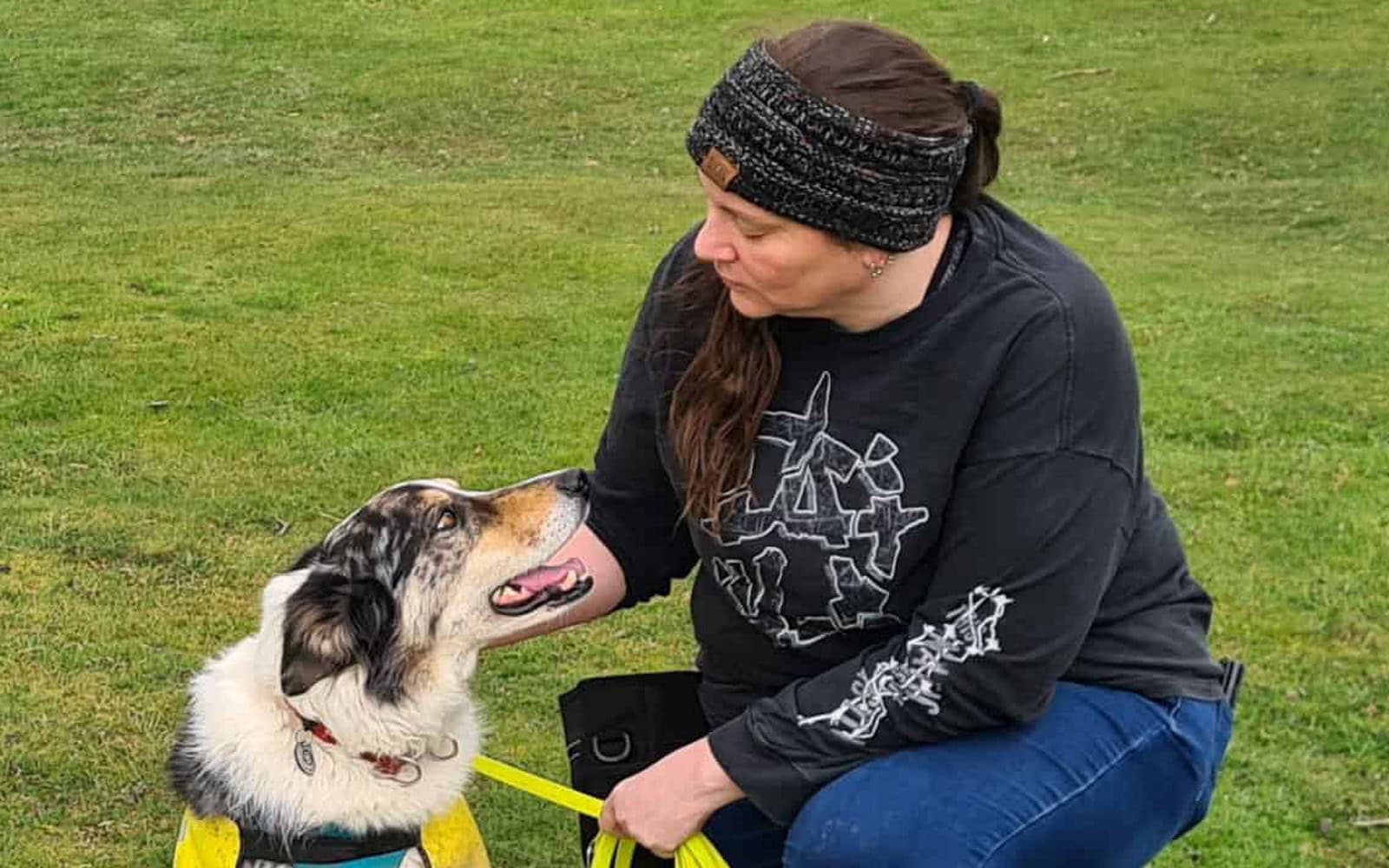
In this episode of The Pet Business Wellbeing Podcast, I’m joined by author, tutor and behaviour specialist Jay Gurden to unpack why imposter syndrome is so common in the pet industry, how social media fuels it and what genuinely helps quiet that inner critic.
What Imposter Syndrome Really Looks Like in the Pet Industry
Imposter syndrome doesn’t usually show up as panic or meltdown.
More often, it sounds like:
- “I just need one more course before I feel ready.”
- “Other people explain this better than I do.”
- “I don’t want to put myself out there in case I get criticised.”
Jay explains that imposter syndrome isn’t about incompetence – it’s about internal doubt, often experienced by people who care deeply about doing things well.
Ironically, those least qualified are often the most confident.
The people who worry tend to be the ones doing the work thoughtfully.
Why Dog Walkers Are Especially Prone to Imposter Syndrome
This industry creates a perfect storm.
Dog walkers and pet pros often:
- work alone
- carry responsibility for living beings
- upskill constantly
- operate in a highly visible, opinionated online space
Add social media comparison into the mix and it’s easy to feel like everyone else is:
- more confident
- more established
- more “successful”
As Jay puts it:
👉 Comparison is the thief of joy – especially when you’re comparing your behind-the-scenes reality to someone else’s highlight reel.
The Five Imposter Syndrome Types (And You’ll Probably Recognise Yourself)
Jay breaks imposter syndrome down into five common personality patterns:
1️⃣ The Perfectionist
Sets impossibly high standards and feels like a failure when they’re not met.
2️⃣ The Expert
Feels they must know everything before they’re allowed to feel confident.
3️⃣ The Soloist
Believes they should be able to do it all alone and struggles to ask for help.
4️⃣ The Natural Genius
If something doesn’t come easily the first time, they assume they’re not good enough.
5️⃣ The Super-Being
Feels pressure to excel at everything – work, health, relationships, life.
Most people recognise themselves in more than one.
Social Media: Helpful Tool or Confidence Drain?
Social media can connect us but it can also quietly erode confidence.
Jay explains how:
- polished videos hide dozens of failed takes
- algorithms reward confidence, not care
- ethical work often looks slower and less “flashy”
This can make thoughtful professionals hesitate to show up at all.
One powerful reframe from the episode:
👉 True imposters don’t worry they’re imposters.
The doubt itself is often a sign of integrity.
Practical Tools That Actually Help (Not Just “Think Positive”)
This conversation isn’t just theory – it’s practical.
Jay shares several tools that help reduce imposter syndrome in real life:
✔️ Create an “Objective Wins” List
Write down qualifications, experience, cases, achievements – facts that can’t be argued with.
✔️ Keep a Feedback or Review Vault
Save kind words, testimonials, messages and wins for low-confidence days.
✔️ Separate Thoughts From Facts
Instead of “I’m no good at this”, reframe to:
“I’m having the thought that I’m no good at this.”
That small shift creates space and perspective.
✔️ Curate Your Online World
Unfollow, mute, hide and block without guilt.
Your nervous system matters.
Why Caring Professionals Feel This More (And Why That Matters)
One of the most important takeaways from this episode is this:
Ethical, caring practitioners are more vulnerable to imposter syndrome because they care.
They question themselves.
They reflect.
They want to do right by dogs and clients.
That doesn’t make them weak.
👉 It makes them exactly who the industry needs.
A Final Thought for Dog Walkers
If imposter syndrome shows up for you, it doesn’t mean you’re failing.
It means you’re stretching, growing and taking your work seriously.
Confidence isn’t the absence of doubt – it’s learning not to let doubt run the show.
Support for Dog Walkers
If this resonates, you may find these free resources helpful:
🐾 5 Steps to a Successful Dog Walking Business
For when doubt, pressure or overwhelm creep in:
