
What if you’re not doing business wrong…
What if you’re simply trying to run your pet business in a way that was never designed for how your brain works?
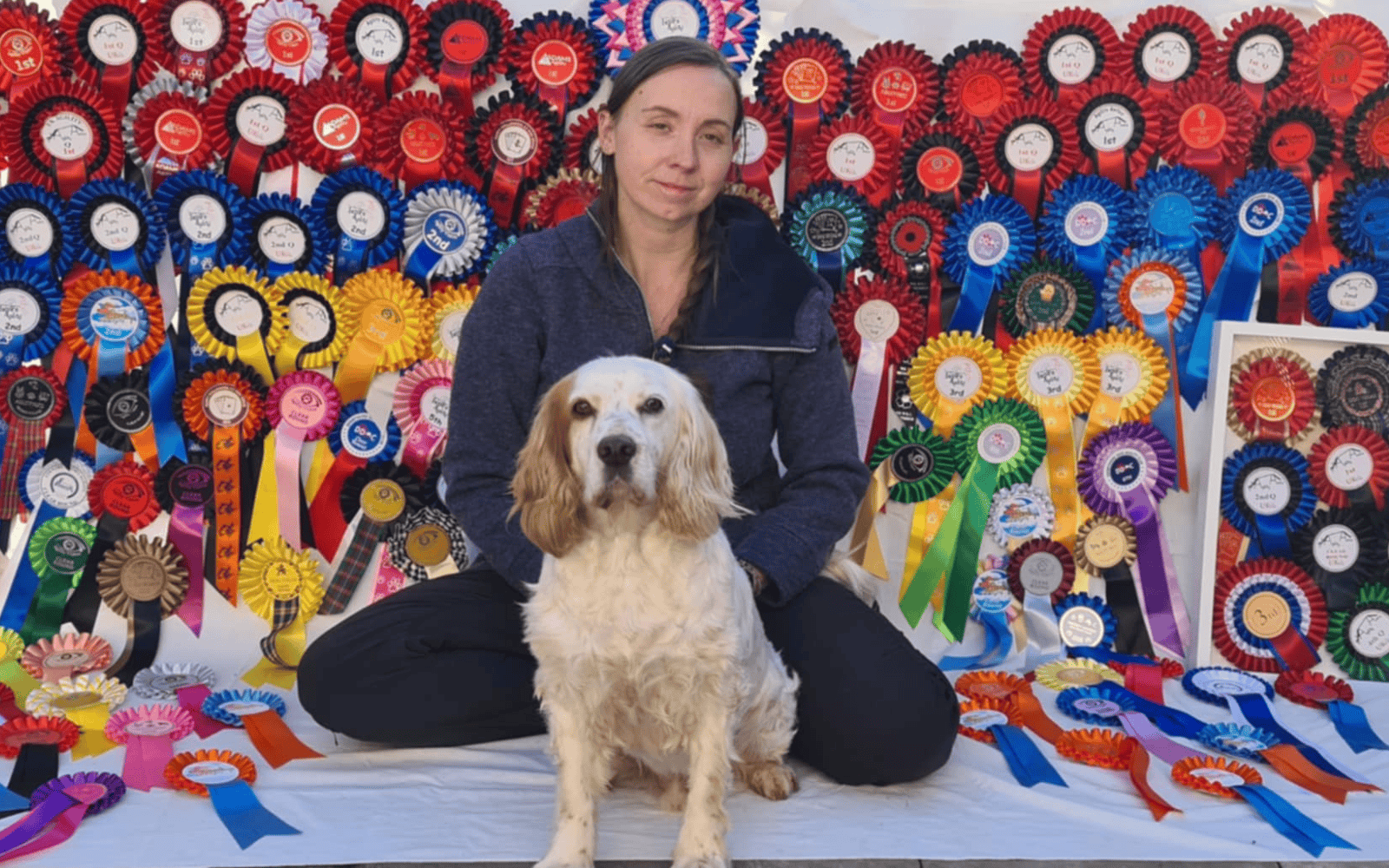
This was the powerful conversation I had with Katrina Bayliss, The Neurodivergent Dog Coach, on the Pet Business Wellbeing Podcast.
We explored neurodivergence in the dog industry, why more professionals are recognising it in themselves and why so many dog trainers and pet professionals experience overwhelm and burnout when trying to “fit the mould”.
And the truth is, many of us have felt that pressure at some point.
Why more pet professionals are identifying as neurodivergent
You may have noticed more people talking openly about neurodivergence recently.
But as Katrina explained, this doesn’t necessarily mean there are suddenly more neurodivergent people.
It’s more likely that there is:
• greater awareness
• better language to describe experiences
• more open conversations
• safer spaces to share
For many people, it’s simply a moment of recognition.
They finally hear someone describe an experience that sounds exactly like theirs.
And suddenly, things start to make sense.
The dog that started everything
Like many dog professionals, Katrina’s journey into the industry started with her own dog.
Her cocker spaniel Milo helped her through a difficult period of anxiety when leaving the house alone felt overwhelming.
That relationship with Milo led her into dog walking, volunteering at a rescue and eventually training.
But along the way she noticed something important.
The information she was being given in dog training classes simply wasn’t being delivered in a way her brain could process.
So she went home and researched.
And researched.
And researched some more.
That hyperfocus eventually led to qualification after qualification and ultimately her career.
But it also revealed something bigger.
The dog industry isn’t always built for neurodivergent people
One of the most powerful points Katrina raised was this:
Many dog training environments unintentionally create overwhelm.
Not because trainers mean harm.
But because the structure hasn’t been designed with neurodivergence in mind.
Think about a typical group class.
There might be:
• multiple barking dogs
• bright lighting
• lots of verbal instructions
• quick transitions between exercises
• pressure to perform in front of others
For someone who experiences sensory overload or cognitive overwhelm, that environment can become extremely challenging.
And if someone struggles, they often won’t ask for adjustments.
Instead, they may assume they are the problem.
And quietly leave.
The hidden pressure inside the dog industry
Another reality we talked about was the pressure many dog professionals feel from within the industry itself.
The expectation to:
• complete endless qualifications
• follow certain trainers
• align with particular methodologies
• prove your credibility to other professionals
For many people, this can create a constant sense of not being good enough.
Which feeds straight into:
• imposter syndrome
• burnout
• perfectionism
• rejection sensitivity
As Katrina explained, sometimes dog professionals end up trying to impress other trainers rather than focusing on the people they actually serve – their clients.
And that can become exhausting.
Neuro-inclusive training helps everyone
A big part of Katrina’s work now focuses on helping dog professionals make their services more accessible and inclusive.
Often the changes are surprisingly small.
For example:
• providing information in multiple formats (spoken, written, visual)
• reducing cognitive overload during classes
• allowing flexibility in how clients communicate
• offering alternative ways to track training progress
Something as simple as providing instructions visually as well as verbally can make a huge difference.
And when clients feel supported, the dogs benefit too.
Because when the human feels calm and confident, the training process becomes far more effective.
The permission many pet professionals need
Toward the end of the conversation, Katrina shared something that really stood out.
If you’re feeling overwhelmed in your business…
That doesn’t mean you’re failing.
It simply means your nervous system may be overloaded.
And sometimes the solution isn’t working harder.
It’s working differently.
That might look like:
• spacing out client sessions
• allowing recovery time between appointments
• reducing your workload
• building services that match your energy and focus
Success in business doesn’t have to follow the same formula for everyone.
And forcing yourself into someone else’s system can lead straight to burnout.
A final thought
One of my favourite lines from this episode was this:
“It’s not about capacity. It’s about capability.”
You don’t need to copy the way someone else runs their business.
You’re allowed to build something that works for your brain, your wellbeing and your life.
And sometimes doing less, more intentionally, creates the most sustainable success of all.
Want further support?
If this conversation resonated with you, here are some helpful resources.
Support from Nathan:
🧡 Free Pet Pro Rescue Plan
🐾 Free 5 Steps guide for dog walkers
🎙 Watch the podcast on YouTube
💬 Join The Pet Biz Wellbeing Circle on Facebook
Connect with Katrina Bayliss:
🌐 Website (Dogs and Divergent Minds)
💬 NeuroDog Hub Facebook Group
